
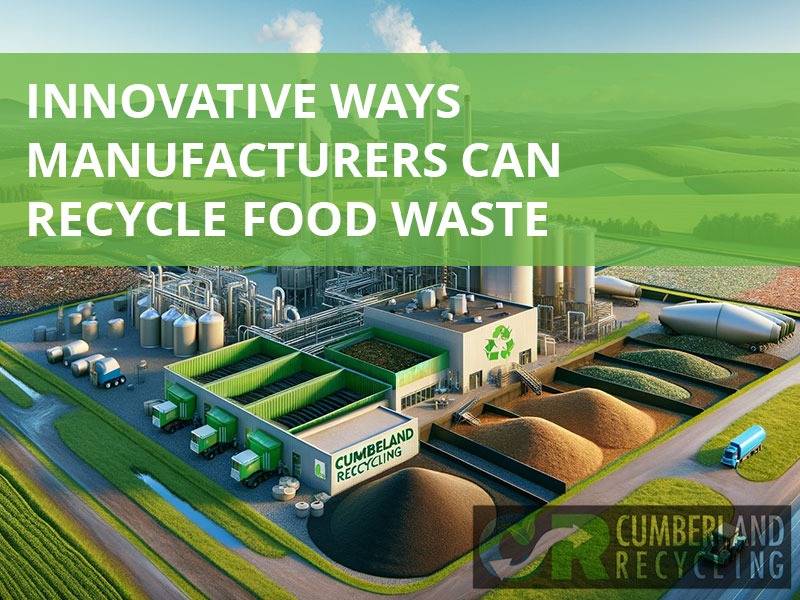
When managing industrial waste streams, particularly organic waste, companies like food processing plants and manufacturers must strike a balance between operational efficiency and environmental responsibility. Recycling organic waste helps businesses comply with regulations, supports sustainability goals, enhances brand reputation, and even delivers cost savings.
This guide explores effective organics recycling methods and provides actionable solutions to overcome common challenges industrial businesses face in recycling efforts.
The Importance of Organics Recycling for Industrial Businesses
Organic waste accounts for a significant portion of industrial waste, especially within food-related manufacturing and processing industries. Recycling these materials isn’t just about keeping waste out of landfills; it’s about unlocking the potential resources within these byproducts. From producing renewable energy to creating nutrient-rich fertilizers, industrial waste recycling offers a variety of environmental and economic benefits.
But what exactly does organics recycling entail?
What Is Organic Recycling?
Organic recycling involves breaking down biodegradable waste materials like food scraps, animal byproducts, and agricultural residues into usable forms such as compost, animal feed, or bioenergy. Companies can reduce landfill dependency by implementing industrial waste solutions while creating valuable end products.
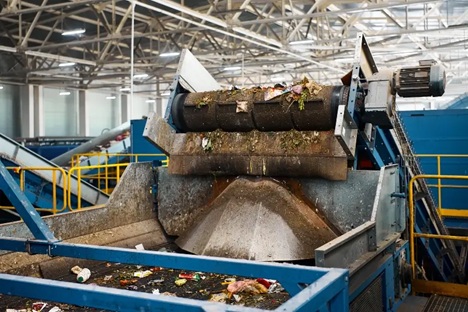
Five Methods for Organics Recycling in Industrial Settings
Here are five effective organics recycling methods that industrial businesses can adopt to manage their organic byproducts.
- Animal Feed Production
What is it?
Excess or discarded food waste can be repurposed into animal feed. Businesses can turn waste into an asset by transforming carbohydrate-heavy food items like bakery scraps into feed.
Why It’s Effective for Industrial Businesses:
- Diverts large quantities of food waste from landfills.
- Provides a lower-cost feed option for farmers.
Important Note: Regulatory compliance is critical when dealing with food waste intended for animal feed. Ensure all materials meet food safety and agricultural standards.
- Composting
What is it?
Composting is organic materials’ aerobic (oxygen-based) decomposition into nutrient-rich compost. This process involves microorganisms breaking down organic waste like food scraps, plant material, and yard waste in controlled conditions.
Why It’s Effective for Industrial Businesses:
- Benefits of Composting include producing high-quality soil amendments for agriculture or landscaping.
- Composting reduces the methane emissions that organic waste generates in landfills.
Pro Tip: Partner with commercial composting facilities that handle large-scale organic byproducts. They can also process items like bioplastics and grease that may not decompose efficiently in standard home compost systems.
- Anaerobic Digestion
What is it?
Anaerobic digestion (AD) is a process where microbes break down organic matter in an oxygen-free environment, producing biogas (methane and carbon dioxide) and digestate (a nutrient-rich material).
Why It’s Effective for Industrial Businesses:
- The biogas can be captured and converted into renewable energy, reducing dependency on fossil fuels.
- Digestate serves as a fertilizer, promoting sustainable agriculture.
Challenges:
AD technology requires significant initial investment for infrastructure but can generate long-term savings by producing renewable energy directly on-site.
Overcoming Challenges in Organics Recycling
Industrial businesses often face barriers when integrating organics recycling into their operations. Here’s how to address some of the most common challenges.
High Initial Costs
Setting up your own equipment for composting or anaerobic digestion is cost prohibitive. To mitigate costs, consider working with a third-party provider like Cumberland Recycling who offers industrial waste recycling services tailored specifically to your operation.
Regulatory Compliance
Navigating the requirements for the recycling of organic byproducts can be daunting. Partnering with experienced industrial waste service providers such as Cumberland Recycling ensures your processes align with federal, state, and local regulations.
Contamination Issues
Contamination can severely impact the quality of recycled organics. Implement employee training programs to ensure effective sorting and handling of organic vs. non-organic materials.
Collection and Transportation
Logistical challenges, such as efficiently collecting and transporting organic waste, can add operational complexity. Partnering with recycling providers who offer end-to-end solutions can streamline this process.
Lack of Awareness
Building company-wide awareness about the importance of industrial recycling is key. Share case studies, organize training, and highlight measurable results to gain buy-in from employees.
The Benefits of Organics Recycling for Industrial Businesses
When implemented strategically, organics recycling offers several tangible benefits, including:
- Environmental Impact: Diverts organic waste from landfills, reduces methane emissions, and contributes to sustainability goals.
- Cost Savings: Reduces waste disposal costs and can generate revenue through the sale of byproducts like compost or biogas.
- Customer Appeal: Demonstrates environmental responsibility, enhancing brand reputation.
- Regulatory Compliance: Helps businesses meet waste diversion targets and avoid penalties.
Partner with Cumberland Recycling for Tailored Industrial Waste Solutions
At Cumberland Recycling, we provide industrial waste solutions that simplify and elevate your recycling efforts. From customized programs to expert guidance, our team is dedicated to helping food processing plants and manufacturers turn waste into opportunity.
By adopting innovative organics recycling methods like composting, anaerobic digestion, or rendering, your business can contribute to a sustainable future while improving your bottom line.
Contact us today to explore how we can transform your organic waste challenges into actionable, sustainable solutions.