
What Determines Food Waste Value by Products?
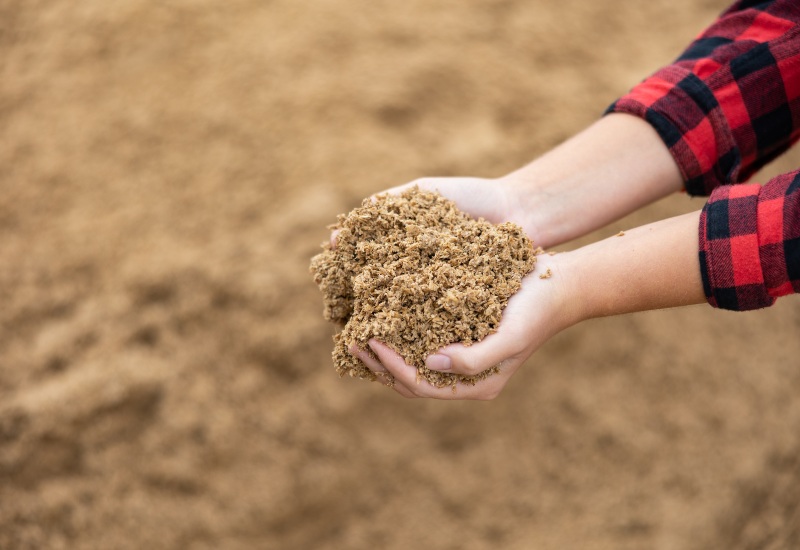
Food waste by-products hold untapped potential when handled with care and expertise. Cumberland Recycling transforms these materials into valuable resources through innovative food waste valorization processes across Arkansas, Georgia, Illinois, Indiana, Iowa, Kentucky, Michigan, Minnesota, Missouri, North Carolina, Ohio, Pennsylvania, South Carolina, South Dakota, Tennessee, Texas, Virginia, and Wisconsin. The value of these by-products is influenced by factors such as nutrient content, potential for reuse, and the use of sustainable processing methods. By focusing on efficiency and environmental impact, we turn food waste into opportunities that benefit businesses, communities, and the planet.
What ‘Value’ Means in Food Waste Markets
Value in food waste comes from how well a by-product supports practical applications for buyers in industrial and agricultural sectors. Nutrient levels, moisture balance, and overall consistency guide how a material fits into feed, soil amendment, or bio-based product streams. Markets respond strongly to materials that support efficient processing and predictable performance. Buyers study quality data, seasonal trends, and availability before setting prices, and each factor shapes the final return a producer receives. Clear characterization and dependable supply strengthen market interest, giving businesses a practical way to turn food waste into steady revenue opportunities.
Common Types of Food Waste By-Products
Food waste includes a variety of materials that can be repurposed into valuable by-products. By exploring these diverse categories, businesses can identify new opportunities to reduce waste and support sustainability. Each type of food waste has unique properties that determine how it can be processed or reused. Below are different types of food waste and their associated by-products, as well as examples of how these materials are applied:
Types of Food Waste
- Agricultural Residues – These include leftover plant matter such as corn stalks or wheat straw. They are generated during the harvesting and processing of crops.
- Industrial Food Waste – This waste originates from food processing facilities and includes items like peels, pulp, or trimmings. Such materials often result from packaging fresh produce or preparing ingredients.
- Post-Consumer Food Waste – Discarded leftovers from restaurants or cafeterias fall into this category. It can include uneaten meals or spoiled perishable items.
- Expired Grocery Products – This consists of items no longer safe for sale but with potential for alternative use. Common examples include expired packaged food or drinks.
Common Food Waste By-Products
- Compost – Organic food waste, including fruit and vegetable scraps, may be transformed into nutrient-rich compost. This material is widely used to enhance soil fertility in agriculture or gardening.
- Animal Feed – Processed waste such as grain residues or vegetable pulp can serve as a high-nutrition feed for livestock. This practice reduces the demand for traditional feed crops.
- Biofuels – Food waste, particularly oils and fats, can be converted into biofuels like biodiesel. These resources provide an alternative energy source with reduced environmental impact.
Factors That Determine the Value of Food Waste By-Products
The value of food waste by-products is determined by several factors that impact their usability, cost-effectiveness, and market potential. By understanding these factors, industries can optimize the utilization of food waste for sustainable purposes. Elements such as composition, cleanliness, and proximity to processing facilities all influence the efficiency and economic viability of converting food waste into valuable by-products. Below are detailed considerations that illustrate how these factors play a role in determining the value of food waste by-products:
- Composition and Quality – Nutrient density, fat content, and starch levels guide buyers toward specific uses such as feed, compost, or energy production. Predictable composition improves pricing because it reduces uncertainty for processors.
- Cleanliness and Purity – Contamination with plastics, metals, or packaging reduces suitability for many end uses. Segregated streams protect quality and support stronger market interest.
- Moisture Content – High moisture levels limit applications where energy or caloric value matters. Balanced moisture supports composting and anaerobic digestion operations.
- Consistency and Volume – Buyers favor a steady supply because it supports efficient processing and scheduling. Irregular volume increases handling costs and slows throughput.
- Proximity to Processing Facilities – Shorter transport distances reduce cost and increase overall return. Local access to processors strengthens the financial performance of a recycling program.
- Market Demand – Demand for materials used in compost, biogas, feed, and bio‑based products shifts throughout the year. Seasonal trends and emerging markets influence final pricing.
- Storage and Handling – Proper storage reduces spoilage and protects material quality. Careful handling preserves nutrient value and supports better pricing outcomes.
How Nutrient Content Affects Food Waste By-Product Pricing
The nutrient profile of food waste influences the pricing of its by-products. High levels of essential nutrients, such as nitrogen, phosphorus, and potassium, enhance the value of by-products like compost and organic fertilizers. Nutrient-rich food waste can yield products with greater agricultural utility, commanding higher market prices. Conversely, waste with poor nutrient content may result in lower-quality by-products with limited applications, reducing overall profitability. Producers often analyze waste composition to optimize processing methods, focusing on nutrient concentration to meet regional agricultural demands. Balancing nutrient efficacy and production costs is critical for maintaining competitive pricing in the market.
Economic and Environmental Benefits of Food Waste By-Product Valuation
Reusing waste materials reduces the amount sent to landfills, lowers disposal costs, and minimizes environmental harm. Transforming waste into valuable products, such as fertilizers or animal feed, creates revenue streams for producers while supporting sustainable practices. Integrating by-product valuation into agriculture and related industries fosters a circular economy, enhancing resource efficiency. Below is a look at the economic and environmental benefits of food waste by-product valuation:
- Environmental Preservation – Redirecting organic waste away from landfills lowers methane emissions. This approach helps combat climate change while maintaining healthier ecosystems.
- Cost Savings – Proper waste utilization decreases landfill fees for producers. It reduces the financial burden associated with conventional waste disposal methods.
- Revenue Generation – Converting waste into marketable products creates new financial opportunities. It enables producers to capitalize on materials that would otherwise go to waste.
- Resource Efficiency – Recycling food waste reduces the need for raw resource extraction. This conserves energy and ensures sustainable resource management across industries.
- Local Economy Support – Producing by-products locally creates jobs and stimulates economic growth. It also promotes regional agricultural development through resource accessibility.
Our Approach to Maximizing Food Waste Value
We focus on transforming discarded resources into valuable opportunities. By working closely with businesses, we develop specialized methods to repurpose food waste, aligning with economic and environmental goals. This process minimizes waste while creating tangible benefits for our partners and the community. Through innovative strategies, cutting-edge technology, and a keen understanding of industry needs, we ensure that food waste is handled efficiently and sustainably. Here is another look at our approach to maximizing food waste value:
- Customized Food Waste Solutions – We partner with clients to analyze their specific waste streams, identifying opportunities for improvement. Our tailored recommendations prioritize high-value applications that ensure waste is effectively repurposed and utilized.
- Advanced Technology and Expertise – Using innovative processes, we enhance the value of food waste by converting it into reusable resources. This includes utilizing advanced technology to ensure quality and consistency across all operations.
- Collaborative Partnerships – We work with businesses, community organizations, and local stakeholders to create integrated solutions. These partnerships enable the development of scalable systems that support long-term sustainability goals.
- Commitment to Measurable Impact – Our services track and evaluate environmental contributions, ensuring clear and meaningful outcomes. This approach empowers our clients to demonstrate accountability in achieving sustainability milestones.
Building Reliable Value Pathways for Industrial By-Products
Effective food waste programs enable businesses to capture revenue, support sustainability goals, and enhance operational efficiency. Each stream holds its own potential, and understanding the impact of processing costs on the value of food waste by-products strengthens decision-making across industrial operations. Reliable characterization, consistent handling, and clear market insight give companies a direct path to high returns. Cumberland Recycling turns by-products into useful commodities through proven strategies and dependable service. Companies ready to unlock greater value in their materials can work with a team committed to responsible, results-driven food waste management.