
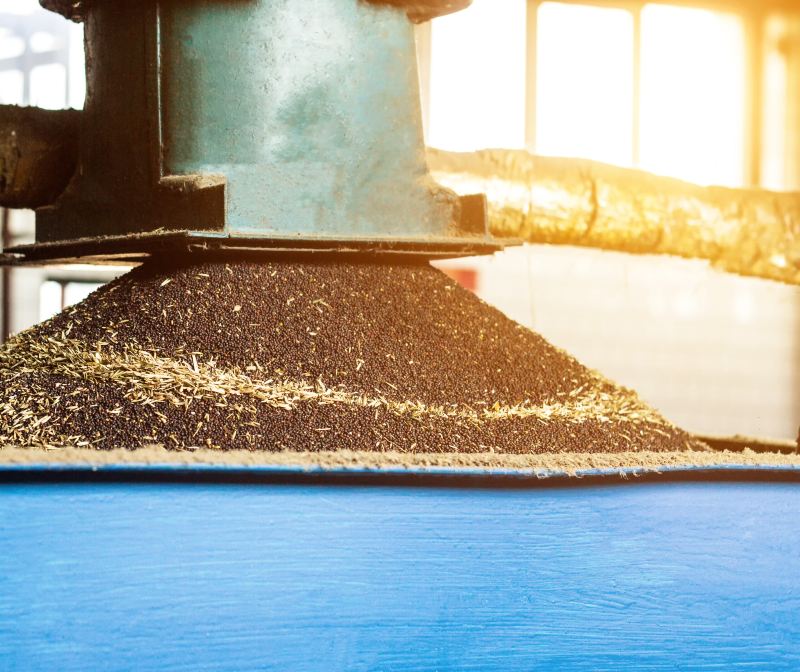
Seed oils—such as soybean, sunflower, canola, and corn oil—are widely used in manufacturing facilities and food processing operations. Over time, these oils break down and need to be replaced, creating a large volume of waste material. Grease recycling programs offer a sustainable way to recover, process, and reuse these oils, keeping them out of drains, landfills, and waterways. In this guide, we’ll cover what seed oil recycling is, why it matters, the steps involved in used cooking oil processing, and how businesses can benefit from a well-managed program.
Why Recycling Seed Oils Matters
Improperly used cooking oil disposal can create significant environmental and operational issues. Pouring oil down drains clogs pipes, pollutes water systems, and disrupts wastewater treatment plants. Discarding oil in trash containers increases landfill waste and can attract pests. By contrast, food oil recycling allows these materials to be collected, refined, and transformed into new products such as biodiesel, industrial lubricants, animal feed additives, and even certain manufacturing components.
How Do You Dispose of Cooking Oil Responsibly?
Responsible disposal starts with setting up a reliable collection system. For most manufacturing facilities, this means having secure, weather-resistant storage tanks or containers placed on-site.
When the container is full, a recycling partner picks it up and transports it to a processing facility. The oil is then filtered, cleaned, and prepared for reuse. Choosing the right provider ensures that your oil is managed according to industry regulations and environmental standards.

Understanding the Used Cooking Oil Processing Steps
The used cooking oil processing workflow is designed to recover valuable resources while eliminating impurities. This process involves several key stages:
- Collection: Oil is transferred from on-site containers into specialized transport vehicles.
- Transportation: The material is delivered to an approved processing facility.
- Filtering & Separation: Solid particles and food debris are removed.
- Purification: The oil undergoes additional cleaning to remove moisture and contaminants.
- Refining: The purified oil is transformed into marketable products such as biodiesel or feedstock.
Common Uses for Recycled Seed Oils
Once seed oils are recycled, they can be repurposed into a variety of products that support sustainable industries. Recycled oils may be used for:
- Biodiesel production to power vehicles and machinery
- Animal feed formulations as a nutrient-rich ingredient
- Industrial lubricants and manufacturing aids
- Soap and cosmetic production in specialized applications
Setting Up a Food Oil Recycling Program
Implementing an effective recycling program starts with evaluating your oil usage and waste output. From there, work with a service provider to determine container sizes, pickup schedules, and documentation requirements for compliance. Best practices for program success include:
- Training staff in safe oil handling and storage
- Keeping collection containers covered and secured
- Scheduling pickups before containers are overfilled
- Working with certified recycling partners that follow industry regulations
Navigating the Challenges of Grease Recycling
While grease recycling is straightforward in concept, certain challenges can arise without proper planning. Contamination from water, food scraps, or cleaning chemicals can reduce the quality of recycled oil. Irregular pickup schedules may also lead to overflow or sanitation issues. By maintaining strict handling procedures and working with a reliable recycling partner, these risks can be minimized.
Regional Availability for Commercial Oil Recycling
We provide seed oil recycling and processing services across a wide service area, helping businesses in the following states:
- Arkansas
- Georgia
- Illinois
- Indiana
- Iowa
- Kentucky
- Michigan
- Minnesota
- Virginia
- Missouri
- North Carolina
- Ohio
- Pennsylvania
- South Carolina
- South Dakota
- Tennessee
- Texas
- Wisconsin
Partner With Cumberland Recycling for Grease Recycling
Cumberland Recycling offers professional food oil recycling tailored to the needs of food manufacturers and industrial operations. Our team ensures that used cooking oil disposal is handled safely, efficiently, and in compliance with environmental regulations. Contact us today to learn more about setting up a customized recycling program for your facility.